How much is your home worth?
Generate a free property report instantly OR
arrange an accurate market appraisal.

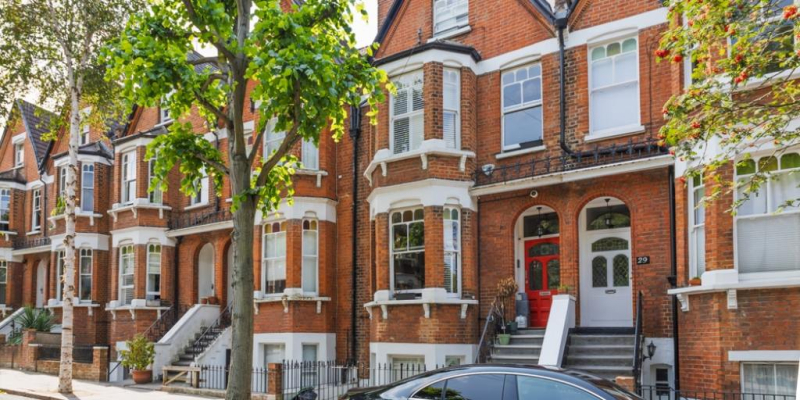
If the London stock bricks and bay windows of classic two-storey Victorian terraces appeals to you, then Plaistow could be worth your attention.
Like many parts of the London Borough of Newham, it’s survived significant bomb damage during the Second World War, and saw substantial post-war rebuilding. The result is a housing market where you’ll find Victorian terraces, inter-war semis, post-war estates, and new blocks of flats on the same block.
Plaistow is also a borough in active transition. The regeneration work around Plaistow Underground Station and ongoing development pressure across Newham means the property market is launching into a period of change. For buyers, that creates both opportunity and the need for careful due diligence.
| Property Type | Typical Period | Typical Tenure |
|---|---|---|
| Victorian terraced house | 1870s to 1900s | Freehold |
| Inter-war semi-detached house | 1920s to 1930s | Freehold |
| Post-war terraced/semi | 1950s to 1970s | Freehold |
| Purpose-built flat (low-rise) | 1960s to 1990s | Leasehold |
| Converted flat (Victorian house) | 1870s to 1900s converted | Leasehold |
| New build flat/house | 2010s to present | Leasehold/Freehold |
The vast majority of properties in Plaistow’s Barking Road area are London stock brick built Victorian terraces, built primarily between the 1870s and 1900s to house East London dock and industry workers. They are mostly two-storey, two-up two-down layouts, though some wider examples offer an additional ground floor reception room.
Plaistow has a fair number of inter-war semis and terraces, particularly in the quieter residential streets towards the borough boundaries. These 1920s and 1930s properties tend to offer more generous room proportions than their Victorian neighbours, with larger rear gardens, bay windows to both floors, and cavity wall construction that performs better thermally. If budget is a factor, they could be worth seeking out as they’re often undervalued compared to Victorian homes despite their generous spaces.
Bomb damage across Newham was extensive, and Plaistow absorbed its share. Some streets were partially or fully rebuilt in the 1950s and 1960s, producing a scattered stock of post-war terraces and low-rise council-built housing. The quality here varies significantly. Some has been well maintained and sold into private ownership, while other blocks are still social housing. Buyers should look carefully at the street itself when assessing post-war properties, as they can vary significantly.
Converted flats in Victorian houses are typically two-flat conversions with ground and upper maisonettes. Purpose-built blocks of flats from the 1960s to 1990s are mostly concentrated around the station and on larger plots where Victorian houses have been demolished. More recent purpose-built developments has started appearing as part of the regeneration activity around Plaistow station too.
Plaistow does not have a designated conservation area, or Grade I or Grade II* listed buildings. Buyers seeking the additional planning protections and period character preservation of neighbouring areas such as Forest Gate or parts of Stratford, will find Plaistow more varied as a result.
The absence of statutory conservation designation means that permitted development rights apply more widely across Plaistow than in designated areas in other parts of Newham. Owners can undertake certain extensions, loft conversions, and alterations without full planning permission, subject to the standard permitted development rules.
This gives buyers more freedom to alter your own property, but so did every previous owner, which is why buyers should inspect carefully for alterations that may have been carried out without the benefit of Building Regulations sign-off.
The Victorian terraces in Plaistow are broadly representative of the East London working-class terrace type rather than the more decorative stock found in parts of Hackney or Islington. Think of modest corbelling, simple string courses, and brick arches over openings rather than elaborate terracotta or tile work. But you can find some really characterful period details and where they survive, buyers can find picture rails, dado rails, and original floorboards.
The inter-war semis in Plaistow tend to sit on slightly wider, quieter streets than the Victorian terraces. They are a practical choice for buyers who want space more than period character, and can be more affordable too.
Post-war properties in Plaistow need careful pre-purchase inspection. Construction types vary more than in period stock, and you may come across non-standard materials, including some use of system-built or prefabricated construction in this part of East London. That can affect mortgageability, so confirm the construction type with your surveyor before proceeding.
The most significant current development in Plaistow is the Plaistow Hub scheme, centred on the area around Plaistow Underground Station. The project is delivering 182 build-to-rent homes alongside community facilities including a new library, a neighbourhood centre, a supermarket, a gym, and a café.
The Stock Street cultural workspace at 31 Stock Street is a separate regeneration project involving the conversion of a locally listed building into a cultural and community workspace, delivered in partnership with Create London. Phase 1 works commenced in October 2025, with the building expected to open to the public in 2027. This is not a residential scheme, but it’s a sign of investment in the area (over £1 million initially from Newham Council following Levelling Up bids) – as well as the cafe and studio spaces it brings.
With an area that’s seeing active regeneration, like Plaistow, buyers should check the council’s planning portal for any applications affecting streets they are considering.
Victorian terraces in Plaistow almost universally have a back garden, though many have been partially concreted or paved over in previous decades. Front gardens on Victorian terraces are typically small, and a significant proportion have been converted to hardstanding for car parking, which is permitted under existing rules if drainage conditions are met.
Inter-war semis offer more generous rear gardens, often with side access from the front of the property. The wider plot frontage on these properties means some owners have created off-street parking without losing the garden entirely – useful in an area where on-street parking can be competitive.
Purpose-built blocks of flats, whether post-war or more recent, typically offer communal garden areas rather than private outside space. The quality can vary, as can the maintenance costs, so buyers of leasehold flats should establish who is responsible and what the service charge covers before exchange.
Off-street parking provision can vary in Plaistow, but is more prevalent than in the more densely developed inner-London neighbourhoods. Victorian terraces with converted front gardens offer the option, and inter-war semis on wider plots often have driveways. The area falls within Newham’s controlled parking zone network, so buyers should verify the specific parking arrangements for any street they are considering.
Period property in Plaistow presents a specific set of survey considerations that buyers should discuss with a qualified surveyor before exchange. The following are the most common issues for the kind of homes you will find locally in E13.
Any one of these issues is manageable with the right professional advice. A full RICS Building Survey, rather than a basic mortgage valuation, is the appropriate level of inspection for Victorian and inter-war property in Plaistow.
Plaistow’s housing stock rewards buyers who do their homework: the Victorian terraces that define most of its streets can offer good long-term value, but they need proper inspection before you commit. If you’re researching a purchase here, contact us to talk through what’s available, or register as a buyer to be kept informed as suitable properties come to market.
Victorian two-storey terraces are found across most residential streets. Inter-war semis, post-war terraces, converted flats in Victorian houses, purpose-built blocks of flats, and a small number of new build homes round out the local property market.
No. Plaistow does not currently have a designated conservation area under Historic England’s records or Newham’s planning framework. Buyers seeking a conservation area could explore neighbouring areas such as Forest Gate, however, which do carry designations.
Victorian and inter-war houses are typically freehold. Converted flats and purpose-built flatted blocks are leasehold, as are the majority of new build flats. Buyers of leasehold property should check lease length, ground rent terms, and service charge history before proceeding with a purchase.
The main issues to inspect are damp in solid brick walls, chimney condition, flat roof extensions on rear additions, older electrical systems, clay drainage pipework, and subsidence risk on London Clay. A full RICS Building Survey is the recommended level of inspection for Victorian and inter-war properties.
Plaistow’s Underground connections on the District and Hammersmith and City lines, combined with its relative affordability within East London, make it a location landlords consider seriously for rental yield. Active regeneration around the station adds a longer-term dimension. Landlords should factor in Newham’s rental property licensing requirements and take independent financial advice before purchasing too.
Generate a free property report instantly OR
arrange an accurate market appraisal.
We’re here to help with any property-related queries you may have.
"*" indicates required fields


Two streets in Plaistow can look almost identical and sell for prices tens of thousands of pounds apart. The difference often comes down ...

Is Plaistow East London's Best-Kept Secret? Whilst Stratford's property prices have soared beyond reach for many buyers, neighbouring Pl...
Nineteen minutes to Liverpool Street. Average property prices around £396,000. If those two facts sitting side by side surprise you, you'...