119 The Grove, Stratford, E15 1EN
Weekdays: 9am to 6pm
Weekends: Appointment Only
"*" indicates required fields
Highcastle Estates are estate agents in Barking. We know this celebrated suburb inside out, from its brilliant schools to its fast growing property market and green spaces. If you’re looking to sell, buy, let or rent in the area – our friendly team will guide you each step of the way with minimum hassle, delivering an excellent service based on local knowledge.
How do you sell your home for a good price in a tough market? Many vendors face this question, and are anxious to find an agent they can trust. Our response is simple. You need an estate agent in Barking who knows the local market, and a team who walks the streets daily and lives nearby. Our expertise will help you sell your home for the best possible price with minimal hassle.
Looking for a passive income and stress-free letting?. Unfortunately, it’s a dream that few landlords achieve. Many get bogged down with compliance, maintenance, and finding good tenants. Thankfully, our Barking letting agents takes care of these crucial tasks, so you don’t need to. That way, you’ll move one step closer to stress-free tenancies that leave you with plenty of free time on the side.
"*" indicates required fields
"*" indicates required fields
Know the sale or lettings value of your home precisely.
"*" indicates required fields
Barking is a thriving east London suburb with bags of potential – it’s home to large parks, excellent schools, plenty of retail options and the exceptionally large Barking Riverside development. New homes are springing up all the time and many choose to live here for the long haul. Find out more the area and what it offers below.
Barking sits 9.3 miles east of Charing Cross in East London, positioned strategically along the River Roding near its confluence with the Thames. The town’s origins trace back to Saxon times, with the name likely deriving from ‘Berecingum’ – meaning ‘Berica’s people’ – though some suggest connections to birch trees that once dominated the landscape. The defining moment in Barking’s early history came with the founding of Barking Abbey in 666 AD by Erkenwald, Bishop of London. This Benedictine nunnery became one of England’s most important religious institutions until its dissolution in 1536, hosting William the Conqueror during the construction of the Tower of London and possibly having the celebrated writer Marie de France as abbess in the late 12th century.
From medieval times through to the mid-19th century, fishing dominated Barking’s economy, with Fisher Street (now part of Abbey Road) named after this maritime trade. The town transformed dramatically with the arrival of the railway in 1854 and London Underground services from 1908, shifting from agricultural market gardening to industrial development.
The most profound change came during the 1920s when the London County Council constructed the vast Becontree Estate – Europe’s largest public housing development – to accommodate workers escaping East End slums. This coincided with Ford establishing its Dagenham plant, which operated as London’s largest manufacturing site for over 90 years, alongside chemical industries that defined the area’s industrial character throughout the 20th century.
Modern Barking reflects its evolution into one of London’s most culturally varied boroughs, with 2021 census data showing a population of 218,534. The demographic makeup includes significant Pakistani, Bangladeshi and African communities, creating a genuinely multicultural neighbourhood. The town centre, historically focused around the medieval market place near St Margaret’s Church, has shifted eastward towards the modern Vicarage Field Shopping Centre and Broadway.
Despite ranking among London’s more economically challenged areas, Barking is experiencing substantial regeneration through developments like Barking Riverside – delivering 10,800 new homes – and the transformation of former industrial lands. The Grade I listed Eastbury Manor House and the partially restored Curfew Tower of Barking Abbey serve as tangible links to its storied past, while the area’s future focuses on sustainable development, creative industries, and its strategic position within the Thames Gateway regeneration zone.
Property styles: Barking features a diverse range of property styles primarily from the Victorian and Edwardian eras, characterised by terraced houses and semi-detached homes. Additionally, the area includes several post-war council estates and modern developments. Unique properties such as converted warehouses and contemporary apartment complexes are also part of Barking’s eclectic mix.
Developments: Notable development and real estate projects enhancing the area include the extensive Barking Riverside project, which aims to deliver 10,800 new homes, alongside commercial, leisure, and educational facilities. Another key development is Abbey Quay, a £350 million mixed-use project providing over 1,000 new homes with commercial and community spaces, enhancing the riverside area
House Prices: Over the past year, the overall average property price in Barking stood at £370k. Terraced houses were the most frequently sold properties, with an average sale price of £460k. Flats also saw significant sales, averaging £242k, while semi-detached homes fetched higher prices, averaging £508k. Property prices in Barking have experienced a slight increase of 2% compared to the previous year. Additionally, there has been a notable 5% rise from the peak prices recorded in 2022. Barking estate agents can, of course, help sellers achieve prices significantly higher than these and make selling your property easier.
For the most up-to-date pricing information, take a look at the HM Land Registry.
Barking is very easy to get around, with excellent transport links for travel in London and across the country.
See more options for transport here.
Travel Times to Important Destinations
Barking and the nearby areas have an incredible selection of schools, with an exceptionally high proportion of state schools which are rated ‘Outstanding’ by Ofsted. Additionally, there are many schools which are fully comprehensive, catering for students at pre-school age all the way to 18. Here are just a small selection of the ‘Outstanding’ local schools, as well as several independent options:
Primary
Secondary
Independent
If you want a full selection, then take a look at this local government portal.
Shopping: Barking has plenty going for it in terms of shopping, leisure, and entertainment. The town contains several large supermarkets, including Tesco, Asda, and Sainsbury’s for daily shopping needs. Vicarage Field Shopping Centre is located in the heart of Barking, alongside East Street and Station Parade, which are also key shopping areas.
Leisure Centres: Leisure and fitness facilities in Barking include the Barking Sporthouse and Gym, located within Mayesbrook Park. This facility offers a gym, swimming pools, a trampoline park, a skate park, a climbing wall, and even a soft play area. It also contains a café and various fitness classes. Another significant leisure facility is the Abbey Leisure Centre, which provides a gym, two swimming pools, fitness studios, and a spa.
Green Spaces: Barking boasts several green outdoor spaces, with Mayesbrook Park being one of the largest. The park includes sports pitches, a lake, and a network of walking paths. Barking Park is another well-loved green space, featuring a boating lake, a café, and a children’s playground too.
Entertainment Venues: Entertainment venues in Barking include The Broadway Theatre, which hosts a variety of performances, including plays, musicals, and concerts. The theatre is a cultural hub in the town, providing entertainment for all ages. Additionally, the town has several pubs and restaurants offering diverse dining options.
Key Streets: Principal streets in Barking include East Street, Station Parade, and Ripple Road. They’re home to the majority of the supermarkets, shopping centres, and other key services.
There are plenty of places that stand out in Barking, with many worth multiple visits. Here’s just a few:
Barking’s employment landscape is undergoing significant transformation, positioning itself as a key economic growth area within East London. The Thames Freeport, which received final government approval in 2023, stands as the most significant development for local employment prospects. This 1,700-acre economic zone links Ford’s Dagenham engine plant with the ports at London Gateway and Tilbury, and is expected to generate between 12,000 and 25,000 new jobs whilst attracting over £4.6 billion in investment. The freeport focuses on sectors including electric vehicle technology, renewable energy, battery storage and advanced manufacturing.
The creative industries sector has become increasingly important to Barking’s economy. Eastbrook Studios in Dagenham East, London’s largest film studio development in 25 years, became fully operational in 2024, bringing an estimated 1,800 jobs and contributing £35 million annually to the local economy. This development builds on the area’s growing reputation as a creative quarter, particularly around the Ice House Quarter on the River Roding, where artists and designers benefit from affordable workspace rates. The borough also hosts plans for London’s three major wholesale markets to relocate to the area, which will create thousands of additional positions in food distribution and logistics sectors.
Traditional manufacturing remains significant through Ford’s presence, though the sector has evolved towards green technology and sustainable production. The opening of ‘Industria‘, London’s first stacked industrial unit in September 2023, demonstrates innovation in industrial space usage. Local employment support comes through Barking and Dagenham College and CU London, which provide training pathways into growth sectors. Ongoing regeneration projects, improved transport infrastructure including the Elizabeth Line at Chadwell Heath, and strategic partnerships such as the Smart Homes Innovation Hub with Seoul Digital Foundation are creating new skilled employment opportunities across technology, construction, care services and retail sectors.
Are you looking for a Barking estate agent to sell your home, or the help of our Barking letting agents? If so, we’re here for you. Talk to us today and let us help you along the next step in your property journey, whether you want to buy or sell, let or rent.

Director

Maintenance Officer

Office Admin Assistant

Sales Consultant

Lettings Manager

Property Management Administrator

Selling your home involves navigating complex negotiations, valuations and legal processes that can overwhelm even experienced sellers. Our Barking estate agents at Highcastle understand the local market inside out – from the regeneration around Barking Riverside to buyer demand across different property types.
We’ll guide you through each step from start to finish, helping you achieve the best possible price while avoiding costly delays and complications.
"*" indicates required fields

Managing rental property requires juggling tenant searches, maintenance issues, and ever-changing regulations – tasks that quickly become time-consuming and stressful. Highcastle’s letting agents in Barking handle everything from thorough tenant vetting to compliance paperwork and rent collection.
With our local expertise and professional management, your investment property stays occupied, well-maintained and profitable throughout your landlord journey.
"*" indicates required fields
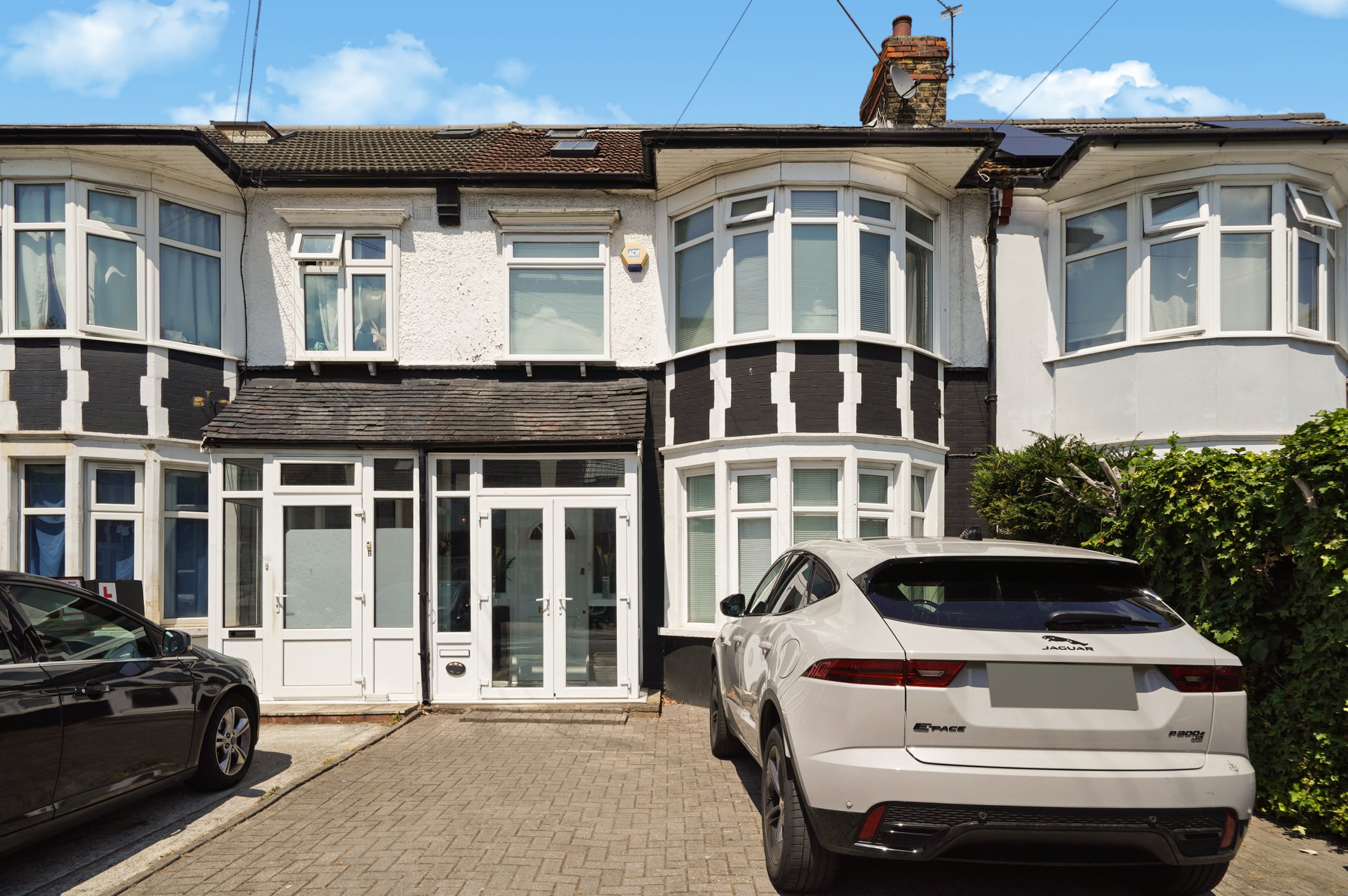
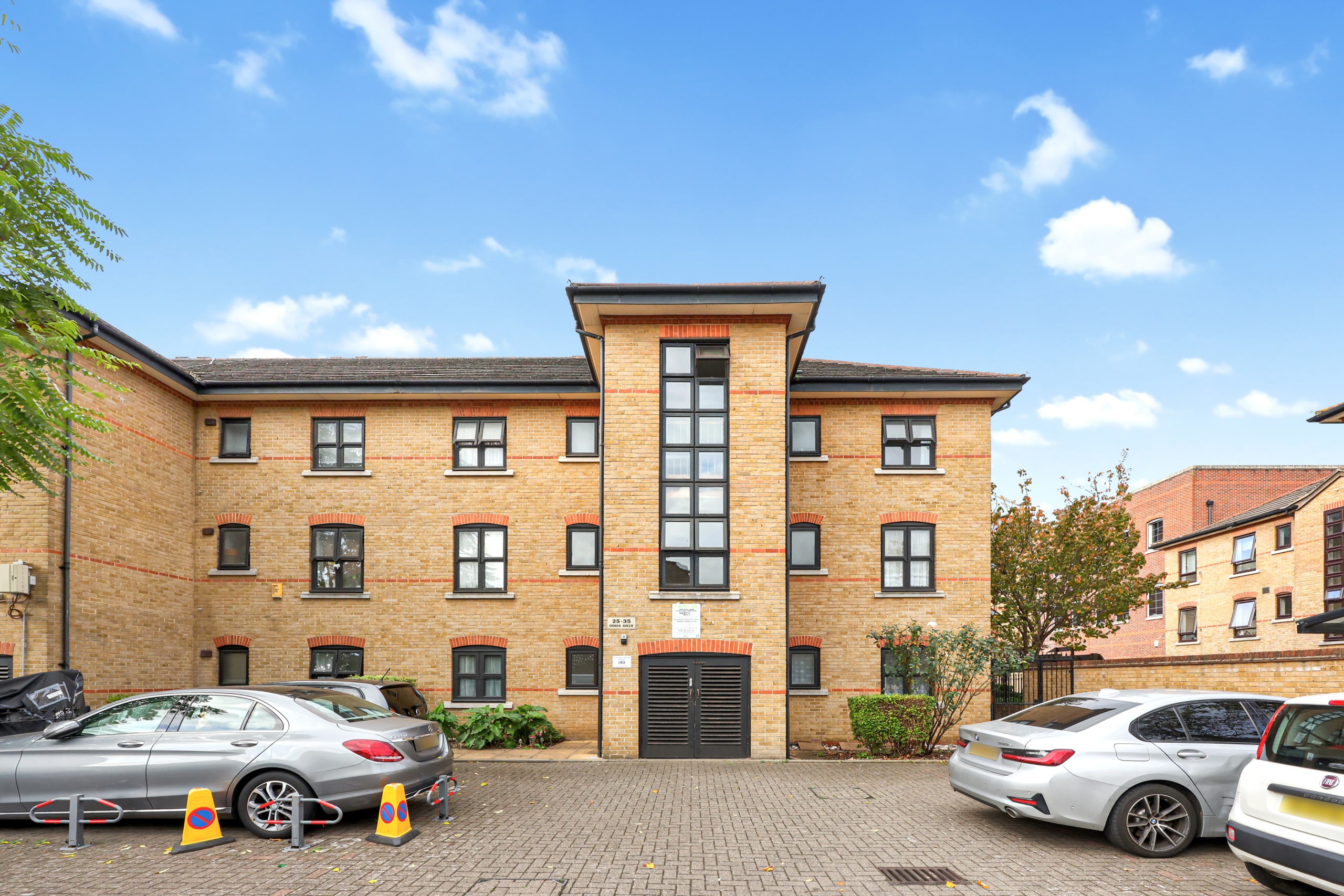

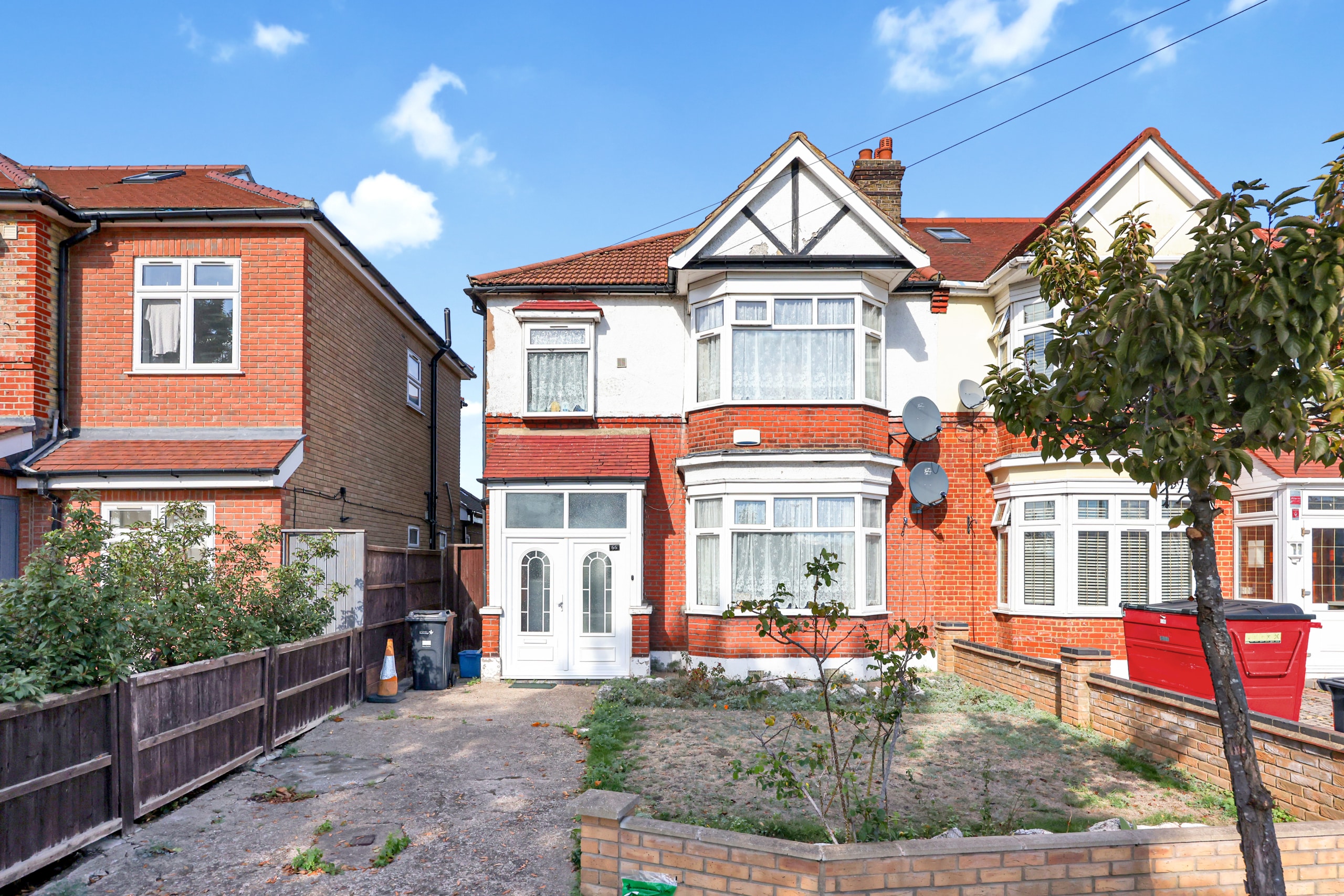



Our Barking estate agents draw on their wealth of knowledge to answer some of your most common questions about Barking, from it’s council tax bands and borough, to street safety and location.
How far is Barking from central London?
Barking is approximately 10-11 miles from central London, with fast 35-minute tube connections to King’s Cross St. Pancras and excellent transport links.
Is Barking in Essex?
No, Barking has been part of Greater London since 1965, though it was historically in Essex before becoming part of the London Borough of Barking and Dagenham.
How many people live in Barking and Dagenham?
Barking and Dagenham has a population of approximately 224,407 people, making it one of London’s most affordable and accessible outer boroughs.
What zone is Barking?
Barking is located in Transport for London Zone 4, offering excellent value for money with quick access to central London.
What zone is Barking station?
Barking station is in Zone 4, served by District Line, Hammersmith & City Line (terminus), London Overground, and National Rail c2c services.
How much is council tax in Barking and Dagenham?
Council tax in Barking and Dagenham increased by approximately 4.99% for 2025/26, adding around £1.47 per week for Band D properties.
Here is an overview of current council tax rates:
A – Up to and including £40,000: £1,398.76
B – £40,001 to £52,000: £1,631.89
C – £52,001 to £68,000: £1,865.01
D – £68,001 to £88,000: £2,098.14
E – £88,001 to £120,000: £2,564.40
F – £120,001 to £160,000: £3,030.66
G – £160,001 to £320,000: £3,496.91
H – More than £320,000: £4,196.29
Is Barking safe?
Barking is considered relatively safe, ranking among the top 20 safest areas in London with crime rates described as low compared to other English boroughs.
Is Barking Riverside a good investment?
Barking Riverside is an excellent investment opportunity, backed by £124 million government funding and set to deliver up to 20,000 new homes with major transport and infrastructure improvements – so we can highly recommend you looking into it.
Is Barking a nice place to live?
Barking is an increasingly popular place to live, offering affordable housing, excellent transport connections, ongoing regeneration projects, and diverse community amenities.
Where is your next move?