How much is your home worth?
Generate a free property report instantly OR
arrange an accurate market appraisal.


Millions of households are facing an unprecedented and uncomfortable financial squeeze as the cost of living rises. Savings are therefore very much the order of the day to counteract rising energy and food costs.
We’ve all heard about the present cost-of-living issue that we’re experiencing. But, in case you haven’t, let’s take a look at what that entails. The term “cost of living crisis” describes a situation in which living costs are rising faster than household income. This comprises food, energy, and fuel. Costs are increased throughout the country, not just in one sector.
As energy prices rise around the world, there is a high demand for gas and oil, which means increased expenses for companies and, by default, customers. Rent, expenses, and mortgage payments are all increasing. Rent prices are now rising at a rapid pace. The average rental price in the East Midlands increased the most. In addition, broadband and phone providers are raising their costs.
We’ve come up with several ways to help you counteract the rising cost of living. Some recommendations might save you thousands of pounds over the next year. Remember, you should be able to find something that will help you save money, increase your household income, or protect your assets from unnecessary taxes.
How can you save money in an uncertain future? Here are a few tips on how to overcome cost of living crisis:
Start by setting up a budget. This should be your first step, as it will help you gain insight into what expenses you can cut and what needs to stay in place. Make a proper plan. Overspending is frequently the result of failing to keep track of how much money is flowing in and out of your bank account. There are numerous online calculators that can help you figure out your take-home earnings. Taxes, pensions, and credit card debts are all factors to consider. You can figure out how much you can spend and save each month from there.
Reduce expenses. It’s important to assess which of your bills are necessary, and how much money each one costs on average per month or year. After accounting for essential expenses such as rent or mortgage payments, food, utilities and transportation costs and then adding any other recurring costs like student loans or credit card debt, you can begin reducing spending on non essential purchases such as clothes and entertainment. If it means cutting back on dining out at restaurants with friends then so be it.
Reduce phone bills. While many SIM-only deals are on a contract basis, you can also buy pay as you go SIM deals. Here you get a bundle of texts, minutes and data for a fixed fee. £10 a month could typically get you unlimited texts / minutes and 10-15GB data.
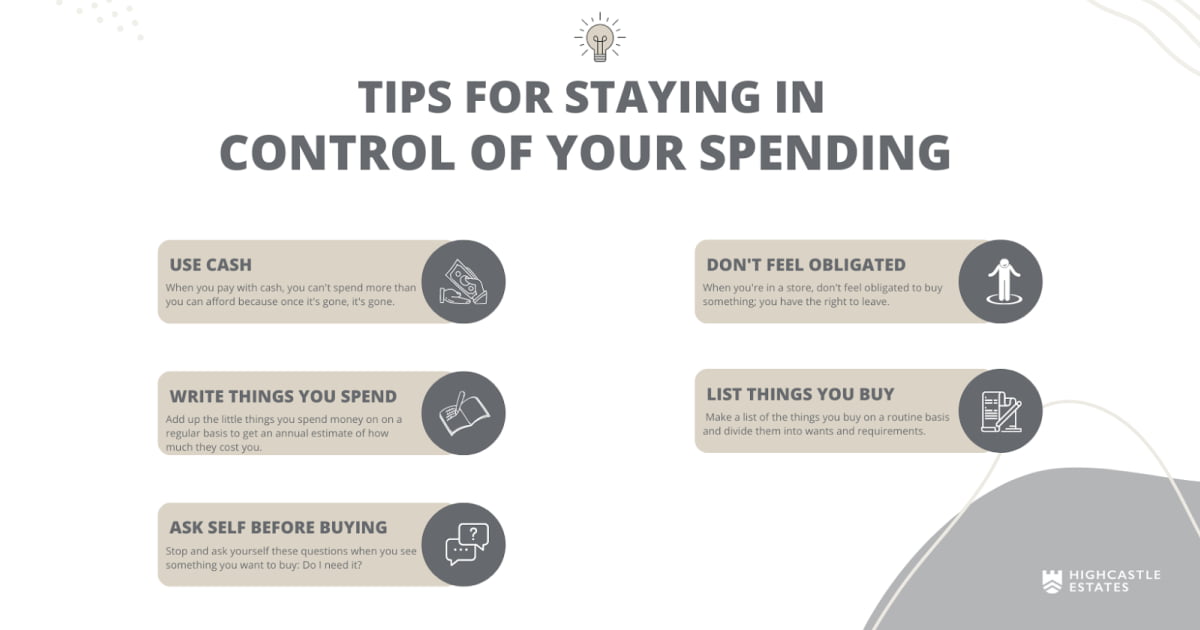
Here are some tips for staying in control of your spending:
According to Barclaycard Payments, households spend an average of £500 per year on subscriptions. So, if you have any streaming services, gym memberships, or food subscription services that you aren’t using, now is the time to cancel them – or make a note to cancel them before they expire.
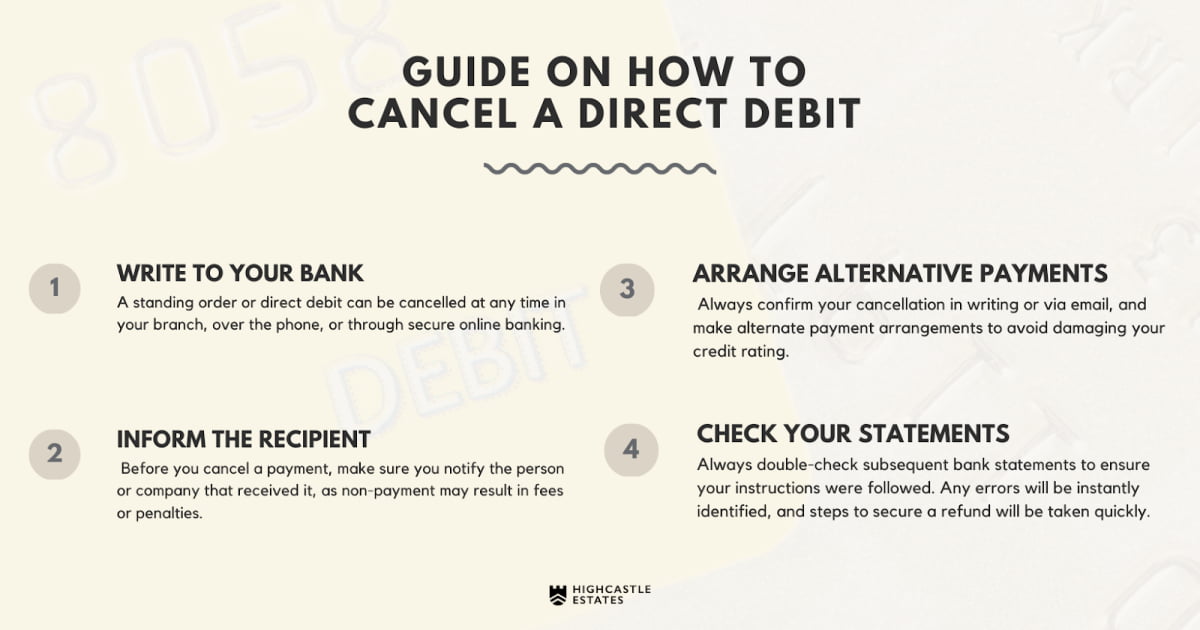
The best course of action is to go over your bank accounts and credit card bills to remind yourself of what you’re paying for. Before cancelling any direct debits, make sure you cancel your subscription with the provider immediately, as this could be considered a payment default and affect your credit score.
Here’s a step by step guide on how to cancel a direct debit:
Reduce your energy consumption
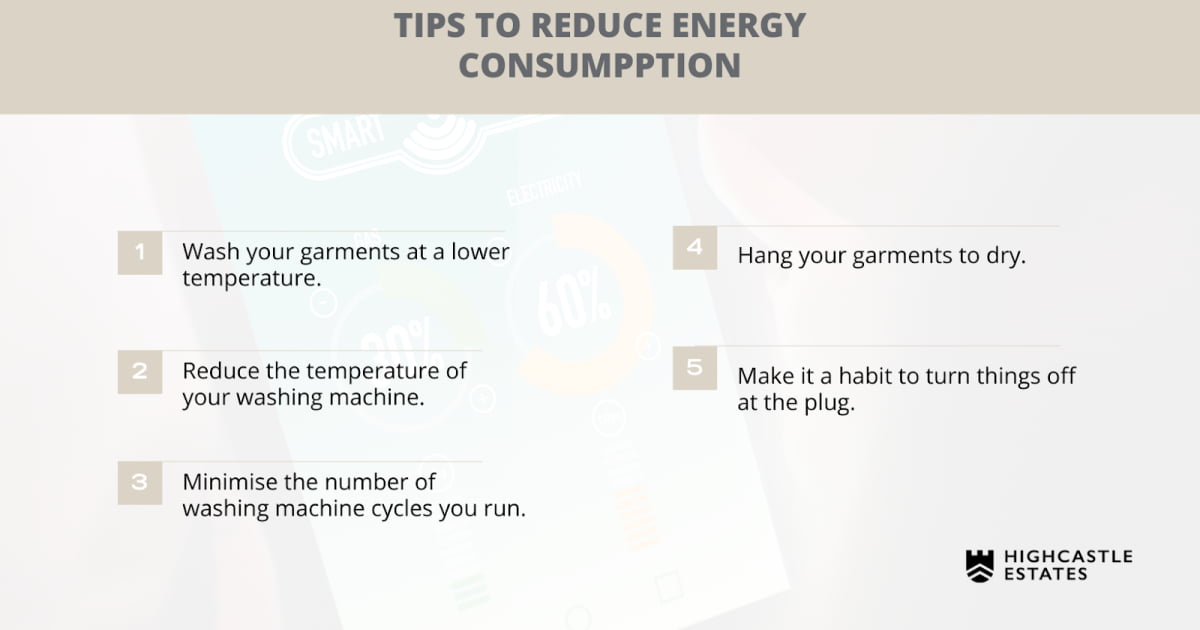
Working from home has most likely increased your electricity and gas costs, as well as your expenses. At the same time, energy costs have risen dramatically. Instead, use less by switching off appliances on standby and replacing obsolete equipment with newer, more energy efficient ones. In addition, wash your garments at a lower temperature. Consider how you consume energy throughout the day. Consider how you might make the most of the sun’s light.
Reduce the temperature of your washing machine to 30°C if you regularly wash your clothing on a hot setting to save money on electricity. Another way to save money is to minimise the number of washing machine cycles you run. According to the Energy Saving Trust, one fewer cycle per week could save up to £8 per year in energy costs. While this may not appear to be a significant sum of money, these savings do build up. Tumble dryers consume a lot of electricity, so instead of using one, hang your garments to dry.
The Energy Saving Trust estimates that 9-16 percent of the electricity spent in houses is utilised to power items in standby mode. That’s a lot of energy spent on something that doesn’t truly benefit you. If you haven’t already, make it a habit to turn things off at the plug — it will save you money in the long run.
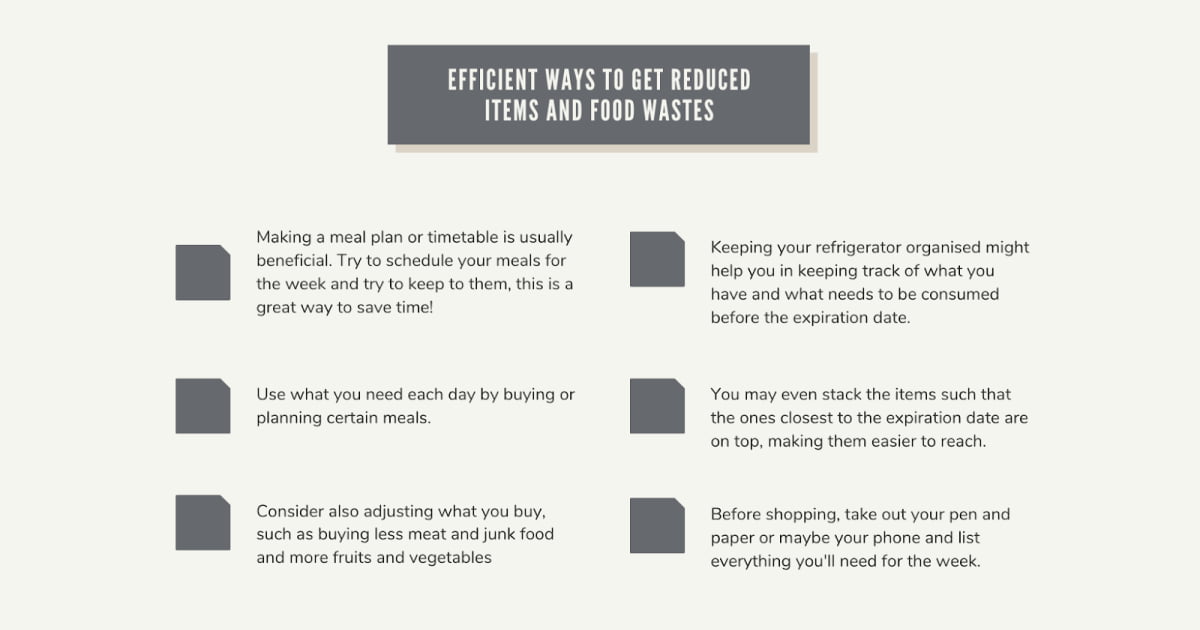
Every supermarket has a reduced section, which can be found in the chilled section or the dry foods section; it’s always a good idea to check these when you can because you might find a nice deal. This can be helpful when attempting to reduce food waste. Making a meal plan or timetable is usually beneficial. Try to schedule your meals for the week and try to keep to them, this is also a great way to save time!
Meal preparation is also a great way to save time and money as it means you have a few meals to last you through the week. Alternatively, use what you need each day by buying or planning certain meals.
Consider also adjusting what you buy, such as buying less meat and junk food and more fruits and vegetables, as well as eliminating luxury and opting for lower-cost alternatives such as store own brands. Consider switching supermarkets as well.
Keeping your refrigerator organised might help you in keeping track of what you have and what needs to be consumed before the expiration date. Stick to the “FIFO” (first in, first out) strategy with this in mind. Placing newly purchased foods in the back of the refrigerator or cabinet will encourage consumers to use the food in the front row first, ensuring freshness and reducing wastage.
Instead, designate a shelf or part of your refrigerator to foods that are approaching their expiration dates. You may even stack the items such that the ones closest to the expiration date are on top, making them easier to reach.
Last but not least, people who make a list are three times less likely to overspend than those who don’t, according to the Money Advice Service. So, before you go shopping, take out your pen and paper or maybe your phone and make a list of everything you’ll need for the week. Also, check your cupboards to determine which ingredients you already have to avoid purchasing duplicates.
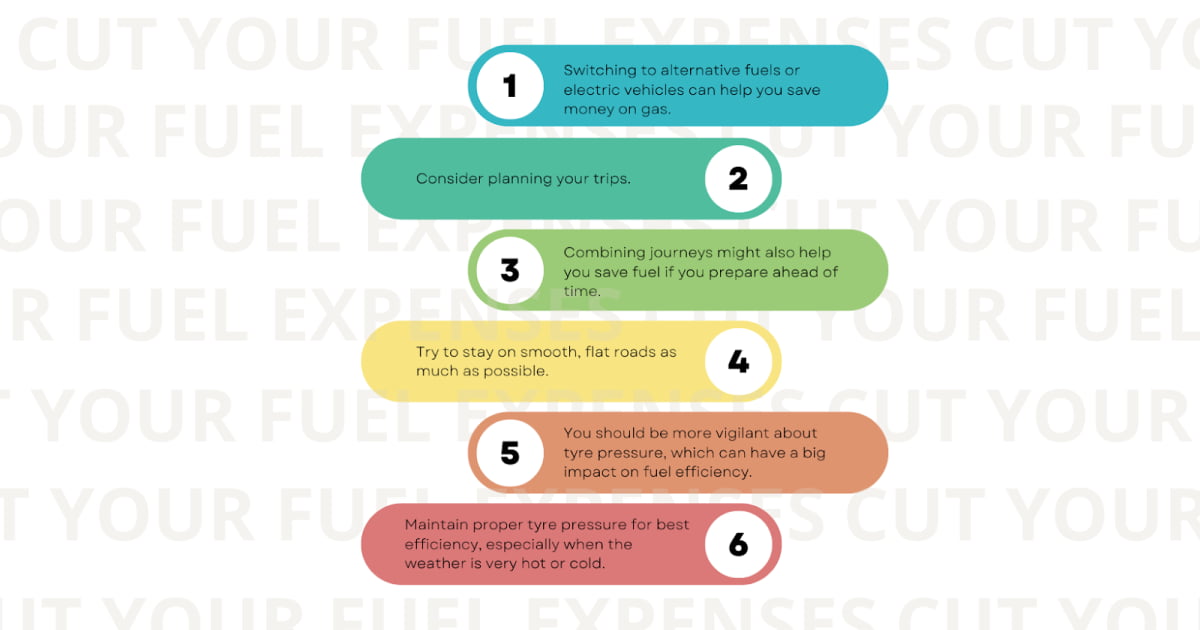
Having a lighter vehicle load can help save money on fuel. The lighter your vehicle is, the more fuel-efficient it will be, so keep your trunk as empty as possible. Tyre pressure can also affect fuel economy; it’s vital to check your tyre pressure on a regular basis. Wherever practical, switching to alternative fuels or electric vehicles can help you save money on gas. You can also choose to cycle, run, or walk whenever possible; making little modifications will not only help you save money on gas, but will also improve your physical health.
Consider planning your trips. Anything that makes your car work harder to get you where you need to go will burn more fuel and cost you more money. It pays to consider your route at this point. Road surface quality is important. Obviously, you can’t always control the road surface quality, but for trips when you know the route well, try to stay on smooth, flat roads as much as possible. Combining journeys might also help you save fuel if you prepare ahead of time. Why not combine two trips if you need to go to the shop ten minutes away and see your parents across town? It will save you hassle as well as money.
Many individuals only think about tyre pressure when that annoying little icon on their dashboard pops up to remind them that they need to check their PSI (pounds per square inch).
That’s great for most drivers, but if you want to save money on fuel, you should be more vigilant about tyre pressure, which can have a big impact on fuel efficiency.
Similar to road quality, even slightly flat tyres induce drag on your car, causing you to use more fuel and reducing your fuel economy by up to 5%, according to experts. Maintain proper tyre pressure for best efficiency, especially when the weather is very hot or cold.

There are ways to cut costs in the midst of a cost-of-living crisis, with providers increasing broadband and telephone prices by more than 25%, dealing another blow to millions of households.
The savings from successful price negotiation could add up quickly across all of your services. Consider Which? ‘s recent research. Early this year, revealed that bargaining customers saved on average:
Doing your homework is the key to successful haggling. To be in a strong negotiating position, you must know what a fair price is for a particular product or service, as well as have competitor deals to use as leverage. Price haggling doesn’t have to be difficult, think of it as friendly negotiating. You can haggle for savings on a variety of products and services, including car and home insurance.
Here are the tips for negotiating like a pro:
We are losing the battle against the cost of living. There is no way around it. Whether you are a young adult trying to save money for your first home or a retiree trying to live off your pension, the effects of inflation will affect you. The best way to beat inflation is planning ahead.
There are many strategies that people can employ to overcome the cost of living crisis. The first step is to realise exactly how bad the situation is, and then formulate a plan to deal with debt and improve financial future. There are numerous ways to establish a budget, such as tracking your spending, reducing and cutting unnecessary expenses. Hopefully the strategies above will help you discover an affordable lifestyle that allows you to have more disposable income than what you are currently used to.
If you have any questions or queries about the housing market, feel free to contact our experts for support. We can arrange a free valuation for you, and if this is of interest, please contact Highcastle Estates today. You can call us on 0203 026 4420 or email us on info@hceuk.com if you’re a landlord in Stratford, Ilford, Goodmayes, Seven Kings, Plaistow, Chadwell Heath, Barking or beyond.

Note: This does not constitute advice. This content is intended for information purposes only.
Generate a free property report instantly OR
arrange an accurate market appraisal.
We’re here to help with any property-related queries you may have.
"*" indicates required fields